✨ New Arrivals Just Dropped!Explore

Kaibōkans
These ships were numerous and played a very active role in Pacific naval combat but have never been the subject of a book in English until now.
During the Second World War, the Imperial Japanese Navy used the term kaibōkan to refer to several classes of ships. The kaibōkans slotted below Imperial Japanese destroyers, comparable to the British Royal Navy’s frigates and corvettes or American destroyer escorts. A total of 171 vessels were completed in the kaibōkan family, making it one of if not the most produced warship design by the Imperial Japanese Navy during the war. These ships were numerous and played a very active role in Pacific naval combat.
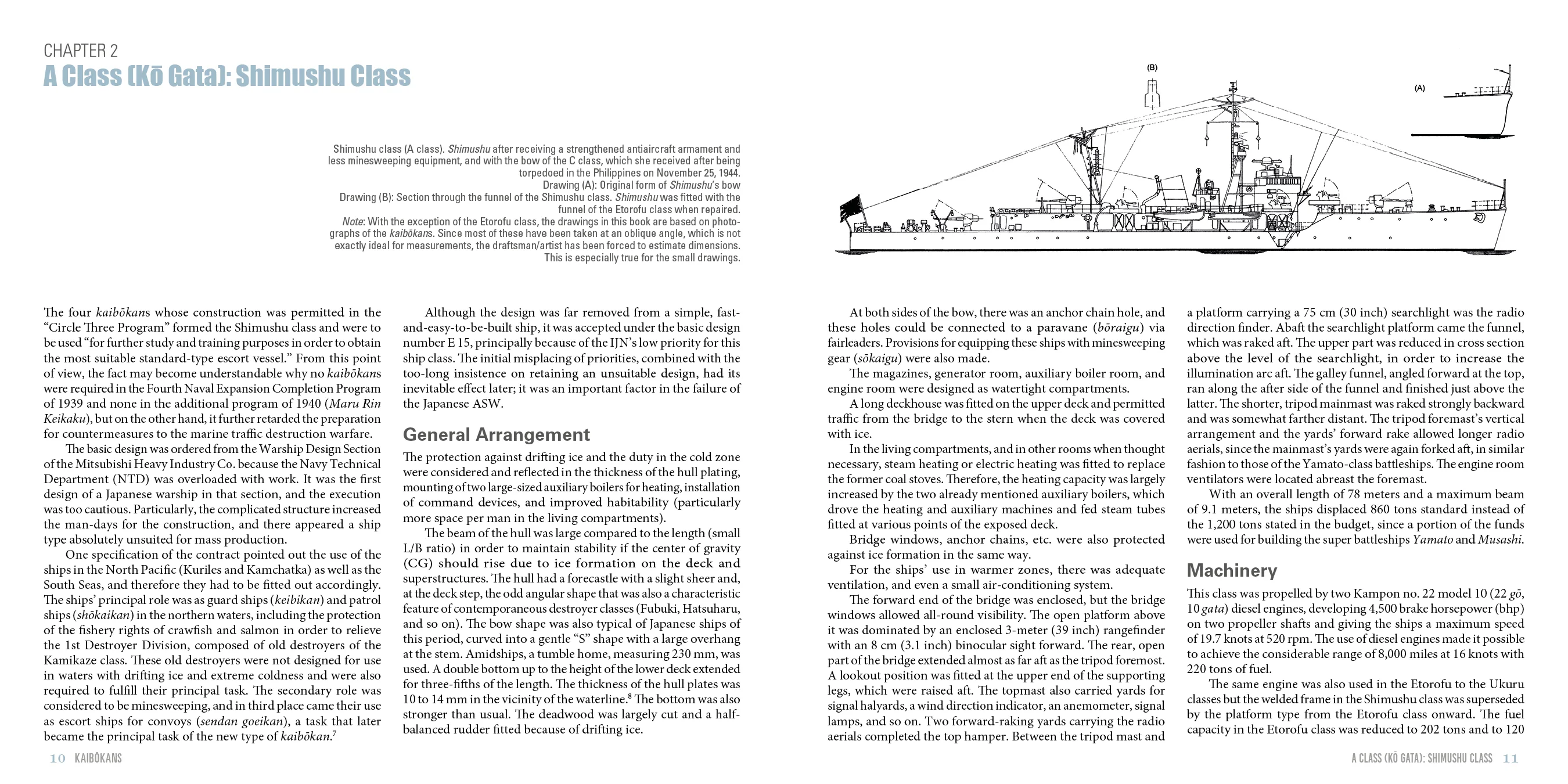
This is the illustrated history of the type, including a historical synopsis, full technical description, and more than 100 photographs and diagrams. Naval historians Lars Ahlberg and Hans Lengerer have established themselves as experts on and specialists in the warships of the Imperial Japanese Navy during WWII. Their work is differentiated by being primarily driven by the utilization of Japanese-language primary source material.[AuthorName]By Hans Lengerer and Lars Ahlberg[/AuthorName][AuthorBio]Hans Lengerer was in the government service (executive) until retirement. After contacts with the late Erich Gröner, he was encouraged by the late Jürgen Rohwer to publish on the IJN. He has written more than 50 articles and several books, including Die Flugzeugträger der Kaiserlichen Japanischen Marine und des Heeres, Band I. He lives in Germany.
Lars Ahlberg is a retired army officer; he lives in Sweden. Together with Hans Lengerer, he privately publishes Contributions to the History of Imperial Japanese Warships.[/AuthorBio][NumIllustration]150 b/w photos and line drawings[/NumIllustration][CoAuthor][/CoAuthor][SubTitle]Japanese Coastal Defense Vessels of WWII[/SubTitle][ColorPattern]150 b/w photos and line drawings[/ColorPattern]
During the Second World War, the Imperial Japanese Navy used the term kaibōkan to refer to several classes of ships. The kaibōkans slotted below Imperial Japanese destroyers, comparable to the British Royal Navy’s frigates and corvettes or American destroyer escorts. A total of 171 vessels were completed in the kaibōkan family, making it one of if not the most produced warship design by the Imperial Japanese Navy during the war. These ships were numerous and played a very active role in Pacific naval combat.
This is the illustrated history of the type, including a historical synopsis, full technical description, and more than 100 photographs and diagrams. Naval historians Lars Ahlberg and Hans Lengerer have established themselves as experts on and specialists in the warships of the Imperial Japanese Navy during WWII. Their work is differentiated by being primarily driven by the utilization of Japanese-language primary source material.[AuthorName]By Hans Lengerer and Lars Ahlberg[/AuthorName][AuthorBio]Hans Lengerer was in the government service (executive) until retirement. After contacts with the late Erich Gröner, he was encouraged by the late Jürgen Rohwer to publish on the IJN. He has written more than 50 articles and several books, including Die Flugzeugträger der Kaiserlichen Japanischen Marine und des Heeres, Band I. He lives in Germany.
Lars Ahlberg is a retired army officer; he lives in Sweden. Together with Hans Lengerer, he privately publishes Contributions to the History of Imperial Japanese Warships.[/AuthorBio][NumIllustration]150 b/w photos and line drawings[/NumIllustration][CoAuthor][/CoAuthor][SubTitle]Japanese Coastal Defense Vessels of WWII[/SubTitle][ColorPattern]150 b/w photos and line drawings[/ColorPattern]
$8.75
Original: $24.99
-65%Kaibōkans—
$24.99
$8.75



Description
These ships were numerous and played a very active role in Pacific naval combat but have never been the subject of a book in English until now.
During the Second World War, the Imperial Japanese Navy used the term kaibōkan to refer to several classes of ships. The kaibōkans slotted below Imperial Japanese destroyers, comparable to the British Royal Navy’s frigates and corvettes or American destroyer escorts. A total of 171 vessels were completed in the kaibōkan family, making it one of if not the most produced warship design by the Imperial Japanese Navy during the war. These ships were numerous and played a very active role in Pacific naval combat.
This is the illustrated history of the type, including a historical synopsis, full technical description, and more than 100 photographs and diagrams. Naval historians Lars Ahlberg and Hans Lengerer have established themselves as experts on and specialists in the warships of the Imperial Japanese Navy during WWII. Their work is differentiated by being primarily driven by the utilization of Japanese-language primary source material.[AuthorName]By Hans Lengerer and Lars Ahlberg[/AuthorName][AuthorBio]Hans Lengerer was in the government service (executive) until retirement. After contacts with the late Erich Gröner, he was encouraged by the late Jürgen Rohwer to publish on the IJN. He has written more than 50 articles and several books, including Die Flugzeugträger der Kaiserlichen Japanischen Marine und des Heeres, Band I. He lives in Germany.
Lars Ahlberg is a retired army officer; he lives in Sweden. Together with Hans Lengerer, he privately publishes Contributions to the History of Imperial Japanese Warships.[/AuthorBio][NumIllustration]150 b/w photos and line drawings[/NumIllustration][CoAuthor][/CoAuthor][SubTitle]Japanese Coastal Defense Vessels of WWII[/SubTitle][ColorPattern]150 b/w photos and line drawings[/ColorPattern]
During the Second World War, the Imperial Japanese Navy used the term kaibōkan to refer to several classes of ships. The kaibōkans slotted below Imperial Japanese destroyers, comparable to the British Royal Navy’s frigates and corvettes or American destroyer escorts. A total of 171 vessels were completed in the kaibōkan family, making it one of if not the most produced warship design by the Imperial Japanese Navy during the war. These ships were numerous and played a very active role in Pacific naval combat.
This is the illustrated history of the type, including a historical synopsis, full technical description, and more than 100 photographs and diagrams. Naval historians Lars Ahlberg and Hans Lengerer have established themselves as experts on and specialists in the warships of the Imperial Japanese Navy during WWII. Their work is differentiated by being primarily driven by the utilization of Japanese-language primary source material.[AuthorName]By Hans Lengerer and Lars Ahlberg[/AuthorName][AuthorBio]Hans Lengerer was in the government service (executive) until retirement. After contacts with the late Erich Gröner, he was encouraged by the late Jürgen Rohwer to publish on the IJN. He has written more than 50 articles and several books, including Die Flugzeugträger der Kaiserlichen Japanischen Marine und des Heeres, Band I. He lives in Germany.
Lars Ahlberg is a retired army officer; he lives in Sweden. Together with Hans Lengerer, he privately publishes Contributions to the History of Imperial Japanese Warships.[/AuthorBio][NumIllustration]150 b/w photos and line drawings[/NumIllustration][CoAuthor][/CoAuthor][SubTitle]Japanese Coastal Defense Vessels of WWII[/SubTitle][ColorPattern]150 b/w photos and line drawings[/ColorPattern]